Signs It May Be Time for a Tub to Shower Conversion
Signs it may be time for a tub to shower conversion often include difficulty entering the tub, water damage, or mold, and local contractors can help make the switch easy and safe.
If you’ve been considering whether it’s time to upgrade your bathroom, noticing certain signs can help determine if a tub to shower conversion might be the right choice. For property owners in the area, older tubs that are difficult to access, chipped or stained surfaces, or a layout that no longer suits mobility needs could all indicate that a change is needed. Exploring this topic is practical for those looking to enhance convenience, improve safety, or simply modernize their bathrooms to better meet current lifestyle demands.
Local contractors who specialize in tub to shower conversions are equipped to handle these updates efficiently, offering solutions that can transform a dated or problematic bathtub into a more functional shower space. Whether addressing accessibility concerns or simply seeking a more streamlined design, property owners can find trusted service providers ready to assist with the process. Keep reading to learn more about common signs that suggest a conversion might be beneficial and how local experts can support making those improvements.
- Shower installation services - when a bathtub becomes difficult to access due to mobility issues, local contractors can help replace it with a more accessible shower.
- Bathroom remodeling services - signs of water damage or mold around the tub may indicate the need for a conversion, and local service providers can handle the upgrade efficiently.
- Tub removal and shower conversion - outdated or cracked tubs can be replaced with modern showers to improve safety and functionality, with local pros managing the process.
- Accessibility upgrade services - homes with aging residents often need tub to shower conversions to enhance safety, and local contractors are experienced in making these modifications.
- Waterproofing and tiling services - when a tub’s fixtures or surfaces are deteriorating, local service providers can convert the space into a durable shower area.
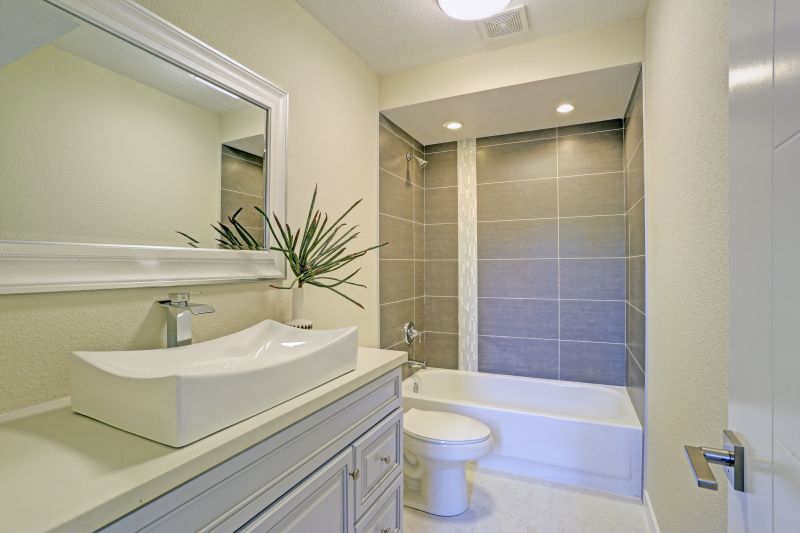
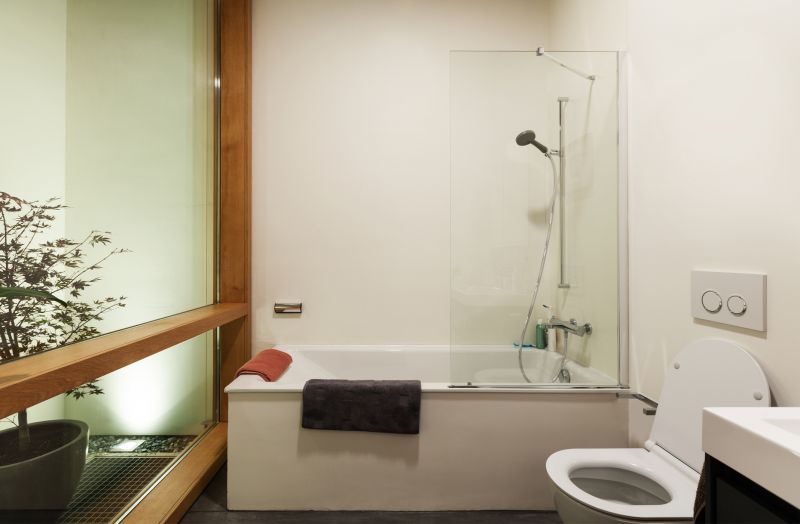
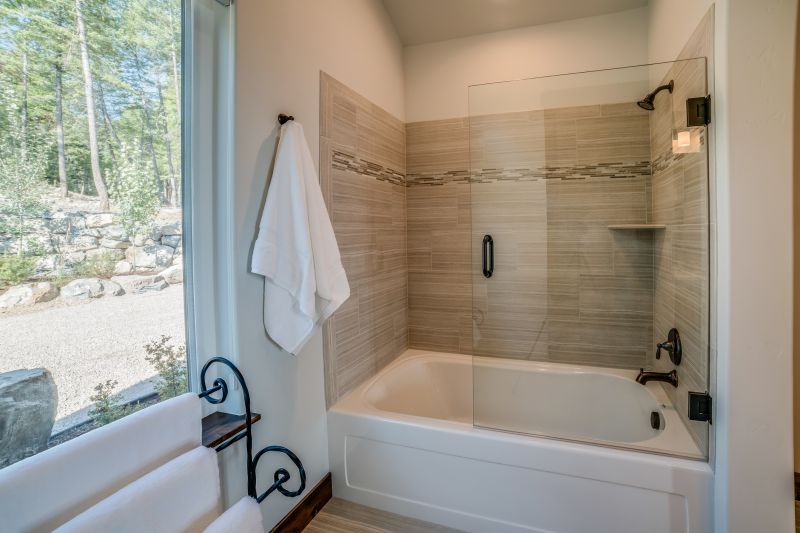
When homeowners search for signs it may be time for a tub to shower conversion, they are typically looking for practical indicators that their current bathtub setup no longer meets their needs or presents certain challenges. Many are considering this upgrade because they find their bathtub difficult to access, especially as mobility becomes an issue. Others may be dealing with a bathtub that no longer functions properly, such as leaks, cracks, or mold growth, which can make the space less safe and less appealing. In addition, some property owners are exploring renovations to modernize their bathroom’s appearance or to improve its overall functionality, making a shower installation a more convenient and efficient choice.
This topic often relates to problems like limited space, difficulty in cleaning, or safety concerns. For example, a bathtub that is too deep or has high sides can pose a challenge for elderly individuals or those with limited mobility, increasing the risk of slips and falls. Similarly, a shower can offer easier access, especially if a walk-in design is chosen, reducing physical strain. Many property owners plan bathroom remodels with future accessibility in mind, which makes converting a tub to a shower an attractive solution. These projects are also common in homes where the existing bathtub has become outdated or damaged, prompting a desire for a more functional and visually appealing bathing area.
The types of properties that typically come up in conversations about tub to shower conversions include a broad range of residential settings. Single-family homes are the most common, especially those with older bathrooms that feature traditional bathtubs. Apartments and condominiums may also see this type of upgrade, particularly when space is limited or when residents want to enhance the bathroom’s usability. In some cases, multi-family buildings undergo conversions to meet modern standards or to attract new tenants. Regardless of the property type, the goal is often to improve safety, accessibility, or aesthetics, which is why many homeowners turn to local contractors who specialize in bathroom renovations.
Understanding when it’s time for a tub to shower conversion involves recognizing specific signs that the current setup no longer suits the household’s needs. Common indicators include difficulty stepping over a high tub edge, frequent cleaning struggles due to mold or grime, or safety hazards like slippery surfaces. Property owners may also notice that their bathroom looks outdated or no longer aligns with their lifestyle or accessibility needs. Local service providers who specialize in tub to shower conversions are well-equipped to handle these projects, providing options that enhance safety and convenience. Connecting with experienced contractors can help homeowners evaluate their bathroom space and determine if a conversion is the right step toward a more functional, safe, and modern bathing area.
Bathroom remodeling projects - bathroom upgrades often involve similar planning and skill sets as tub to shower conversions, focusing on space optimization and fixture installation.
Bathtub removal and replacement - removing and replacing old tubs requires similar demolition and plumbing skills, making it a related service for those considering a shower upgrade.
Accessibility bathroom modifications - installing grab bars, walk-in tubs, or step-in showers shares planning and installation techniques relevant to tub to shower conversions.
Shower enclosure installation - building custom shower enclosures involves similar carpentry and waterproofing skills used in converting tubs to showers.
Bathroom fixture upgrades - replacing sinks, faucets, and other fixtures involves planning and plumbing work comparable to converting a tub to a shower.
Waterproofing and tiling projects - waterproofing walls and floors and applying tiles are common tasks in both shower installations and tub conversions, requiring similar preparation and sealing skills.
When comparing service providers for a tub to shower conversion, it’s important to consider their experience with similar projects. Homeowners should inquire about the types of conversions the contractors have handled in the past and whether they have a proven track record of completing these jobs effectively. An experienced contractor will understand the common challenges and best practices associated with converting tubs to showers, which can help ensure the project proceeds smoothly and meets expectations. Reviewing portfolios or requesting references related to previous conversions can provide insight into their expertise and the quality of their work, helping homeowners feel more confident in their choice.
Clear, written expectations are essential when evaluating local contractors for a tub to shower conversion. Homeowners should seek detailed proposals that outline the scope of work, materials to be used, and the timeline for completion. Having this information in writing helps prevent misunderstandings and ensures all parties are aligned on project goals. It’s also beneficial to ask service providers about their process for handling unforeseen issues or changes during the project, as this can impact the overall experience. Well-defined expectations foster transparency and create a foundation for a successful conversion.
Good communication and reputable references are key factors when selecting a service provider for a tub to shower conversion. Homeowners should prioritize contractors who are responsive, willing to answer questions, and able to provide references from satisfied clients. Speaking with previous customers can reveal insights into the contractor’s professionalism, reliability, and quality of work. Effective communication ensures that homeowners stay informed throughout the project, receive updates on progress, and feel comfortable addressing any concerns that may arise. Choosing a contractor with strong communication skills and positive references can lead to a more satisfying and stress-free conversion process.
Property owners often search for signs it may be time for a tub to shower conversion when they are planning practical projects around their homes and businesses. Local pros provide Tub to Shower Conversion services for everyday jobs and straightforward project options.
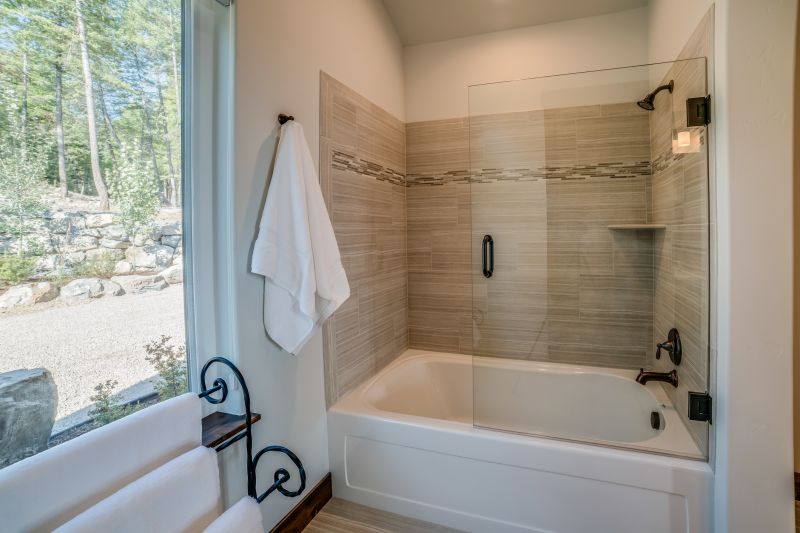
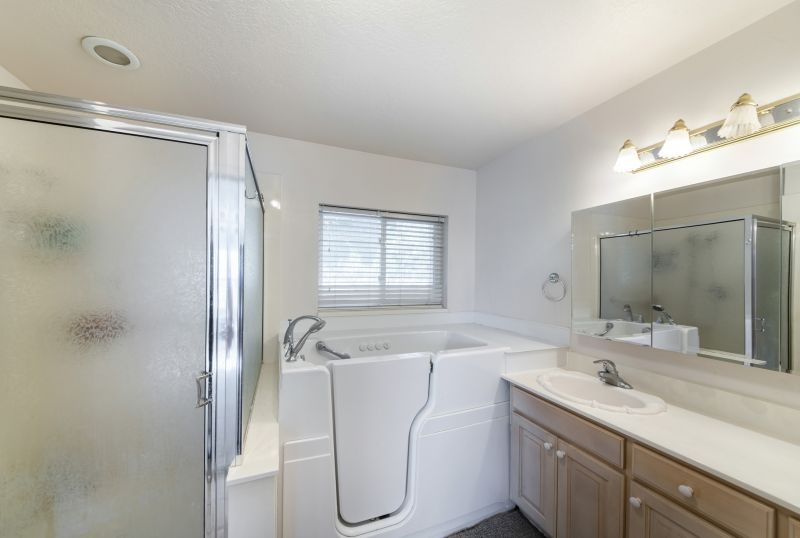
Many property owners notice that their bathtub has become less functional or less appealing over time, which can be a common sign it may be time for a tub to shower conversion. Difficulties stepping over high tub walls, persistent mold or mildew buildup, and cracks or chips in the tub surface are everyday issues that often prompt homeowners to explore alternative solutions. These simple inconveniences can make daily routines more cumbersome and may lead individuals to seek the expertise of local contractors who specialize in transforming existing tubs into more accessible and modern shower setups.
Another frequent reason to consider a tub to shower conversion is the desire to maximize bathroom space or improve accessibility. For homes with limited room or for residents with mobility concerns, replacing a traditional tub with a walk-in shower can offer a more practical and comfortable bathing area. Property owners searching for ways to update their bathrooms or address maintenance concerns often look up signs that indicate a conversion may be appropriate, and connecting with local service providers can help facilitate a smooth and efficient upgrade.
What are common signs that a bathtub may need to be replaced with a shower? Indicators include difficulty entering or exiting the tub, frequent water damage or mold, and a desire for more accessible bathing options, prompting homeowners to consider a tub to shower conversion handled by local contractors.
How can I tell if my current bathtub is outdated or no longer functional? Signs such as cracks, chips, or staining, along with a lack of modern features or space, may suggest it’s time for a conversion to a more functional shower setup with the help of local service providers.
Is it a good idea to switch from a tub to a shower if I have mobility issues? Yes, converting to a shower can improve accessibility and safety, especially if the existing tub is difficult to use, and local contractors can assist with making this change.
What are signs that a bathtub may be causing water damage or leaks? Evidence such as water stains, mold growth, or peeling paint around the tub area can indicate leaks or damage, which might be resolved through a tub to shower conversion performed by local professionals.
When should I consider replacing my bathtub with a shower for aesthetic reasons? If the current tub looks outdated or no longer matches the bathroom’s style, a conversion can update the space, with local service providers ready to assist with the renovation process.
Limited accessibility - If stepping into the tub is difficult or unsafe, local contractors can help design a shower that offers easier entry and safer features.
Outdated appearance - When a bathtub looks worn or mismatched with the rest of the bathroom, pros can assist in modernizing the space with a stylish shower conversion.
Water damage or leaks - Signs of water issues around the tub area may indicate a need for a conversion to prevent further damage, with local service providers able to handle repairs and upgrades.
Changing lifestyle needs - As needs evolve, such as accommodating mobility or simplifying cleaning, local contractors can customize a shower setup that suits current requirements.
If you are thinking about signs it may be time for a tub to shower conversion for a property, this guide is meant to help you understand this topic, the typical project types, and how different options might fit your plans.
When you are ready, you can use the quote form on this page to share a few details about your project. From there, local pros can review the basics and follow up with options that match what you have in mind.